Clean coil, steady heat
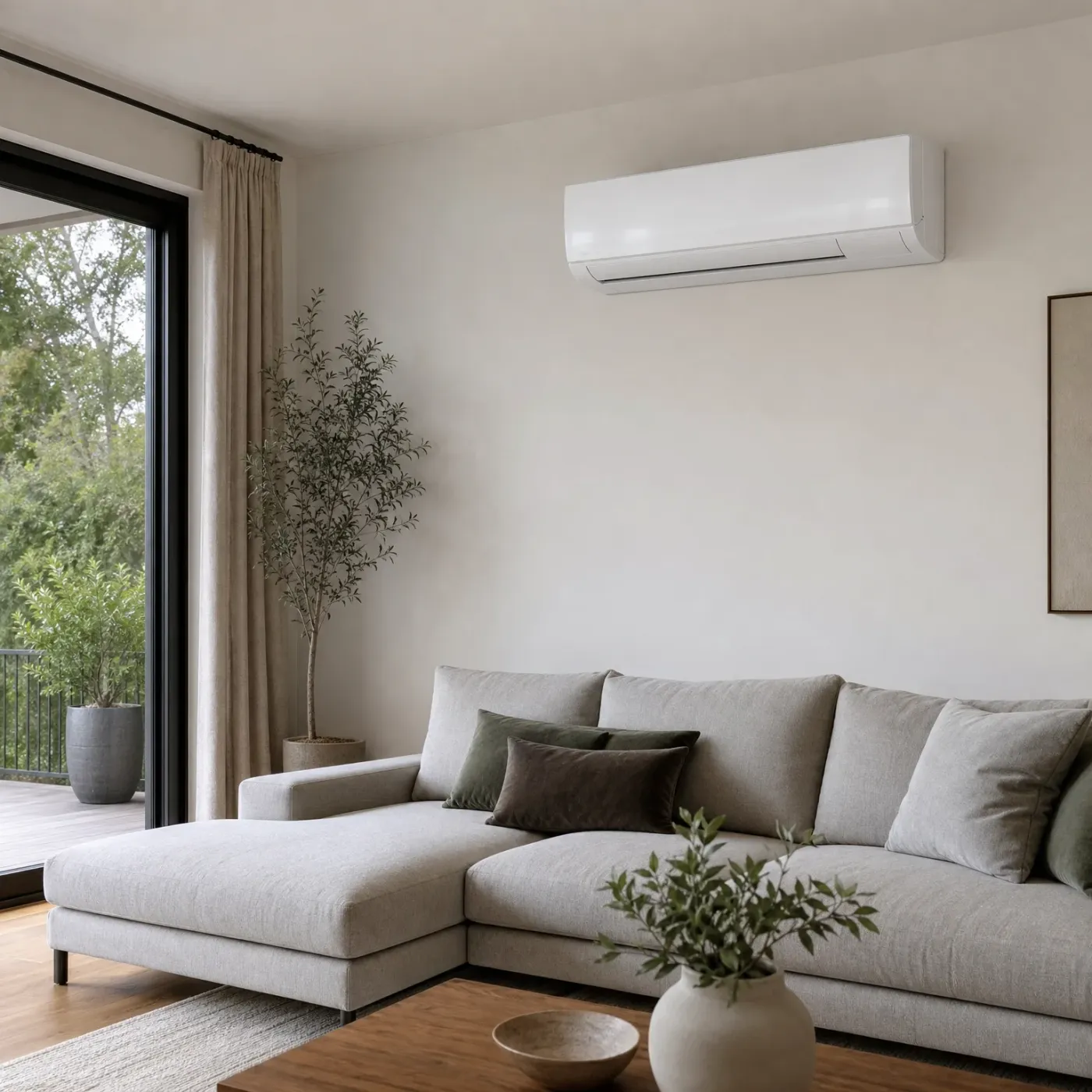
A mini split like this one keeps its rated output when the coil and filters are clear. Air moves through freely, so the unit pulls in what heat is available outside and delivers it without extra strain on the compressor.
 Get matched
Get in touch with a local installer about a new mini split.
A mini split can heat a home in a Utah winter, but whether it should be the only thing keeping you warm depends on how cold it gets where you live and how the rest of your house is set up. That's not a question a search result can answer for you. It depends on your unit, your home, and nights that can drop well below freezing.
Most homes in Utah heat with gas, and that matters here. A furnace is sized and backed up for the coldest night of the year. A mini split, especially an older or undersized one, can start to lose capacity exactly when you need it most. Whether yours can carry your home alone, or needs a furnace running alongside it, is something a contractor needs to look at directly.
This is also where cheap power changes the math. Running a mini split hard through winter costs less here than in places where electricity is expensive, which makes it a more realistic option than it would be elsewhere. But realistic isn't the same as right for your specific setup, your square footage, or the layout of your home.
Getting a straight answer means someone looking at what you actually have installed, not a general rule. Once you send in a few details about your home, that part stops being on you. A contractor who installs and sizes mini splits for homes in Utah will reach out and work through whether your system can stand alone through winter or whether it needs backup, and what that would take to set up right. You won't be the one tracking down who to call or figuring out what questions to ask. That's handed off the moment you submit the form, and from there it's a conversation with someone who already knows the equipment, not a search you have to keep running on your own.
A mini split alone can struggle on Utah's coldest nights. Most of them lose heating capacity as the outdoor temperature drops, and once it falls into the teens or lower, a standard mini split may not keep up with the heat loss in your home. That's why most homes here heat with gas, and why a mini split usually works best as a second source rather than the only one, covering the mild months and the shoulder seasons while gas handles the deep cold. A cold climate mini split, built to keep producing heat well below freezing, is a different story, and some homeowners do run one as their only heat. Whether that works for your house depends on how it's sized and installed, and on how your home holds heat once it gets there.


A mini split doesn't make heat the way a furnace does. It moves heat from outside air into your house using a compressor and refrigerant, running the same cycle a refrigerator uses, just backwards. That works fine down to a point. Once the outdoor coil gets cold enough, frost builds up on it, and the unit has to pause and run a defrost cycle to clear the ice, which means a few minutes of cool air blowing before it catches back up. The colder it gets outside, the less heat the refrigerant can pull from the air, so the compressor works harder for less output. That's just physics, not a flaw in the unit. A gas furnace doesn't have this problem, since it's burning fuel to make heat directly, so its output stays steady no matter how cold it gets. That's why a lot of homes in Utah run both, with the furnace stepping in once the temperature drops past where the mini split can keep up. When you're sizing a mini split for here, the number that matters is its rated output at low temperature, not the 47 degree rating on the brochure.



Summer air in Utah averages a 41°F dew point from June through August, according to NOAA climate data. That's dry air, the kind that feels cooler than the thermometer says. For your mini split, dry air is easy work. It pulls heat out of the house without having to wring much moisture out of it first, so the indoor coil isn't fighting condensation the way it would in a humid state. You'll notice it in how fast a room cools down and how steady the unit runs instead of cycling hard. Winter is a different job for the same equipment, and that's where sizing and setup start to matter more than the weather does.
NASA POWER T2MDEW county cells weighted by homes


One request and the search for a pro is handled.
Describe your mini split job, and a local pro who handles it gets in touch.
Asking costs nothing, and the choice to hire stays yours.
You turn it up and the air coming out still feels cool, not warm. The room near the unit is fine, but the bedroom down the hall or the basement stays cold no matter how long it runs. You might hear it cycling more than usual, or notice frost on the outdoor unit that doesn't clear. If your gas furnace is backing it up, you may not notice any of this, the furnace just picks up the slack. But if the mini split is working alone and it's losing that fight, the parts of the house farthest from it will get cold first, and pipes in an unheated basement or crawlspace are what's at risk if a room goes unheated too long.

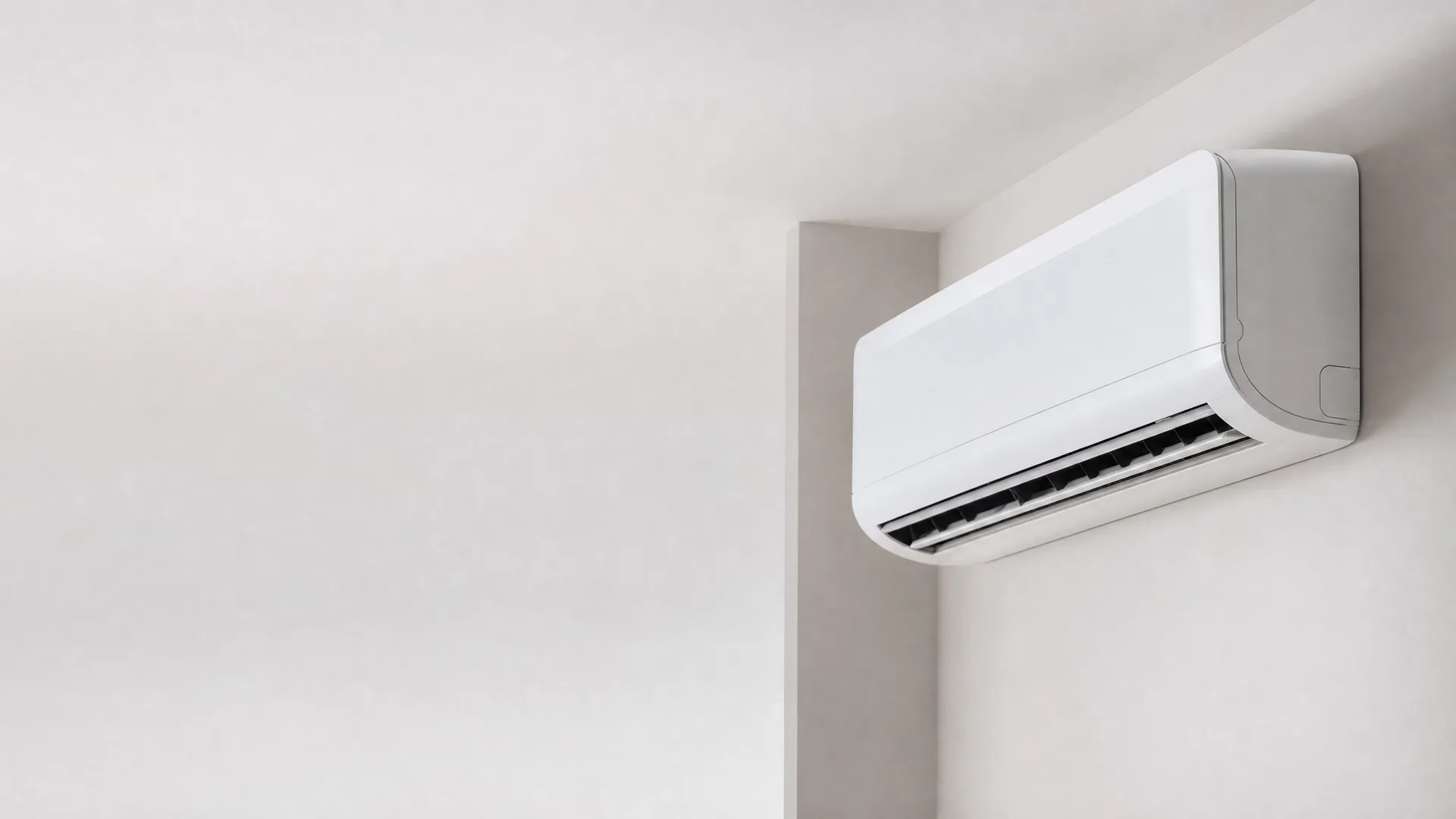
A mini split like this one keeps its rated output when the coil and filters are clear. Air moves through freely, so the unit pulls in what heat is available outside and delivers it without extra strain on the compressor.

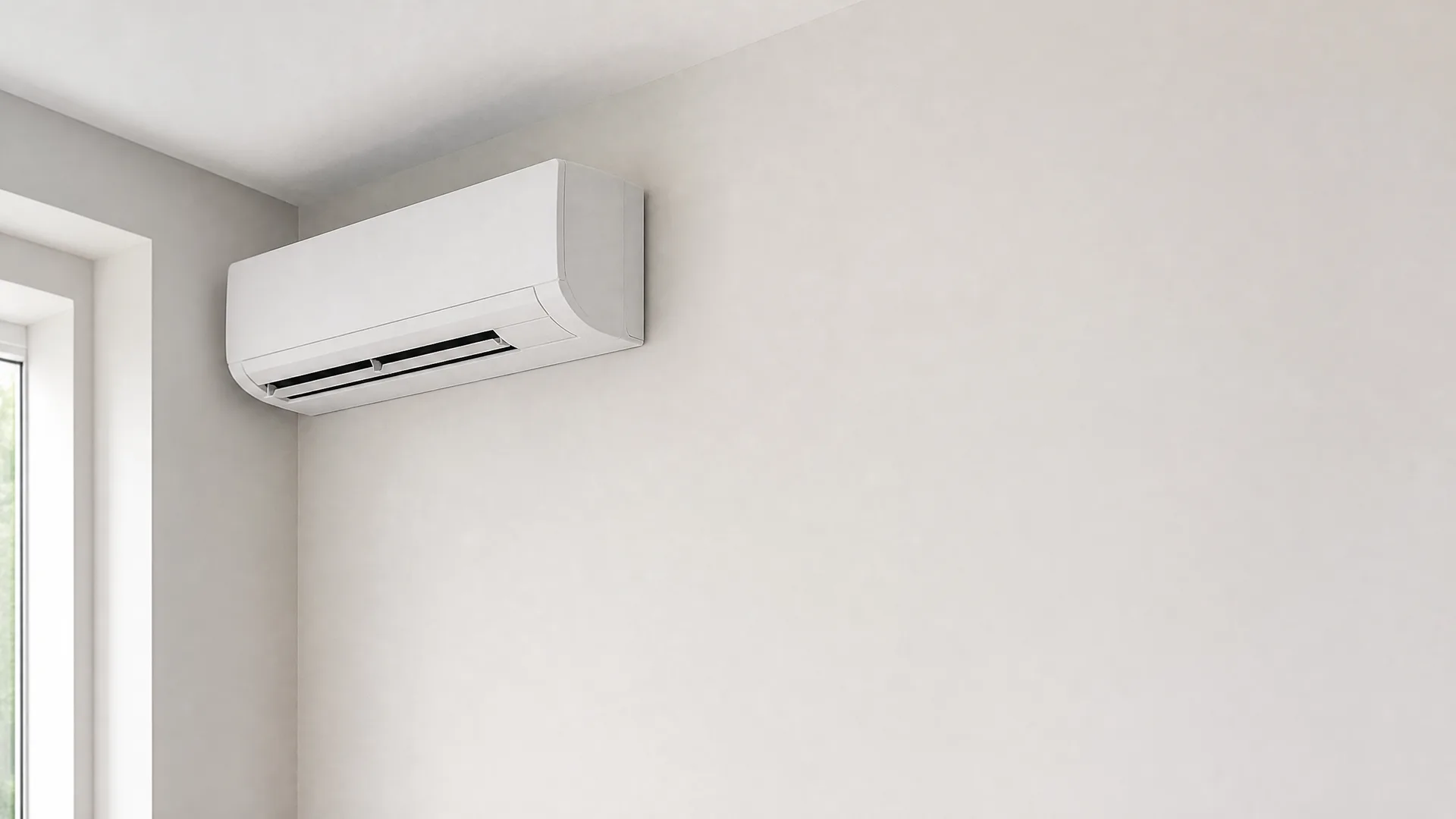
Dust built up like this across the vents blocks airflow before the unit even starts working. It has to run longer to move the same heat, and on a cold night that's exactly when it can't keep up.
At 13.02 cents a kilowatt-hour, running a mini split hard on a cold night won't wreck your power bill the way it might in other states. If gas isn't reaching a room, leaning on the mini split there costs you less than you'd expect.
EIA-861 2025 statewide residential average
The thermostat calls for heat and the compressor starts.
The outdoor coil pulls heat out of the cold air.
Refrigerant carries that heat to the indoor unit.
The indoor coil releases heat and the fan blows it into the room.
Most homes in Utah already have a gas furnace, and keeping it instead of tearing it out gives the mini split somewhere to hand off on the nights it can't keep up. The furnace doesn't care if it's 10 degrees or 30, it puts out the same heat either way. Running both means the mini split handles the mild stretches, which is most of the season, and the furnace only kicks in when the temperature really drops.
A room or a small home with good insulation and a unit sized for the coldest nights, not just the average ones, can get through winter on the mini split by itself. That means looking at the manufacturer's rated output at low temperatures, not just the number on the box. If that number holds up against how cold it gets where you live, there's no gas line to run, no furnace to maintain, and one less system in the house to service.

On its own, a mini split can heat your home right up until the hard cold hits. Most of the year it'll do the job without strain, and on a lot of nights it'll do it cheaper than gas. Where it runs short is the deep cold, the nights in the teens or lower, when a standard unit can't pull enough heat out of the outdor air to keep pace with what your house is losing. If you've got a gas furnace still in place, that's the night it earns its keep.
What you do with that depends on your house, your room layout, and how that mini split is sized and kept up, and that's not something to guess at from a search result. A contractor who's walked through homes like yours in this cold can look at your setup and tell you straight whether it holds up alone or needs the furnace behind it. Once you send that along, you're not the one tracking down who to call. Someone who knows this climate reaches out to you.





Get your mini split to the right pro
Send it once and finding someone is no longer on you.