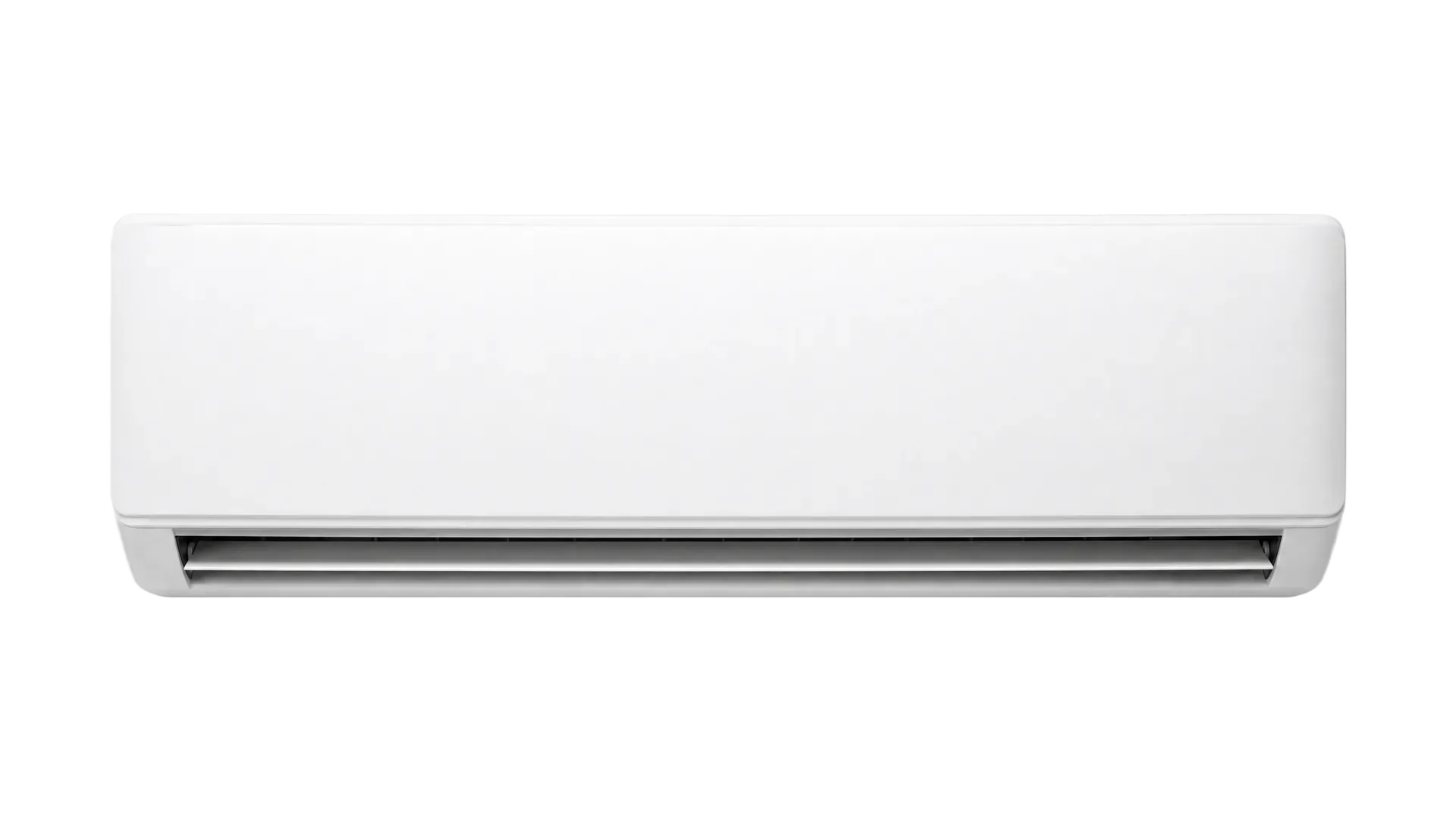
A mini split can heat a Utah basement in winter, but most lose efficiency once outdoor temperatures drop into the teens and single digits, which happens on cold nights along the Wasatch Front and more often up in the higher valleys. A standard heat pump pulls heat from outside air, and the colder that air gets, the less heat it has to give. Some units handle this better than others. Cold climate mini splits keep producing heat well below zero and are built for exactly this kind of winter. A standard model may struggle on the coldest nights and need backup heat to keep a basement comfortable. Since most Utah homes already heat with gas, that backup is often already in place. Whether a mini split alone is enough for your basement depends on the unit itself, how cold your area actually gets, and how the basement is built.


How a mini split actually heats
- A cold climate mini split runs a defrost cycle that briefly reverses to melt ice off the outdoor coil before switching back to heating.
- Below outdoor temperatures in the single digits, a built in heat strip or auxiliary coil kicks in to make up the difference.
- The indoor head reads the basement air temperature right at the unit, not the far corner of the room, so placement affects comfort.
- Variable speed compressors ramp output up and down instead of cycling on and off, which keeps basement temperature steadier through the night.
- Correct sizing for the basement's square footage matters more in a basement than upstairs, since an oversized unit short cycles and an undersized one runs flat out without catching up.
- A clogged outdoor coil or blocked drain line forces the compressor to work harder for the same heat output, which shows up as a higher power bill before it shows up as a cold room.
A mini split moves heat from the outside air into the basement using a refrigerant loop, the same loop that cools the house in summer, just running backward. On a cold night the outdoor coil picks up frost, and the unit pauses heating for a few minutes to run that defrost cycle before it switches back. You might feel a brief drop in warm air during that pause. That's normal. Once outdoor temperatures fall into the single digits, most cold climate units bring on a backup heat strip or auxiliary coil to cover the gap between what the compressor can pull from the cold outside air and what the basement needs. Inside, the head unit measures temperature at its own location, so a unit mounted far from where you actually sit will read warmer or colder than where you feel it, and that mismatch shows up as a basement that never quite feels right even though the thermostat says it's fine. The compressor itself runs at variable speed, easing up and down rather than switching fully on and off, which is why a well sized system holds a basement at a steady temperature overnight instead of swinging a few degrees each time it cycles. Sizing the unit to the basement's actual square footage matters more down there than it does upstairs, since a basement that's too small for the unit will short cycle and one that's undersized will run at full output and still fall behind on the coldest nights.


Why basements lose heat first
A basement sits against the ground on most sides, so it loses heat slower than an upstairs room but it also starts colder and gets less help from the sun. A mini split with a single indoor head in the basement has to cover that whole space on its own. If the basement has a separate room or a far corner, the air from one head may not reach it evenly. Cold air also sinks, which works in a basement's favor once the room is up to temperature, but it means the unit has to push through the coldest air in the house first on a January morning.
What a cold climate unit is rated for
Manufacturers test cold climate mini splits down to around 5 degrees Fahrenheit and list a capacity at that temperature, usually lower than the capacity at 47 degrees. That rated number is what matters for a Utah basement, not the headline capacity on the box. A unit sized off the warm weather number will fall short on the coldest nights of the year. Installers size the system using the low temperature rating against the basement's heat loss, which is why the right size for a basement in Logan is not the same as the right size for one in St. George.




One request and it's handed off
Explain the job once and skip repeating it on every call.
After this form, you can stop searching for a mini split pro.
You only hire the pro if you want to.
Standard vs. Cold Climate Mini Split
Standard mini split
- Heating output drops off once outdoor air gets into the teens and single digits, right when the basement needs it most.
- No defrost cycle built for sustained cold, so ice can build on the outdoor coil during a long cold snap along the Wasatch Front.
- Costs less to install than a cold climate unit, but the savings can disappear fast if a backup heat source has to run alongside it.
- Works fine as supplemental heat in a basement that already has a gas furnace vent or register nearby.
- Rated capacity on the spec sheet is measured at mild outdoor temperatures, not at the kind of cold a Utah basement sees in January.
Cold climate mini split
- Holds most of its rated heating capacity down into single digit outdoor temperatures, which matters most in the higher valleys.
- Runs a defrost cycle automatically, so ice on the outdoor coil doesn't choke off heat output overnight.
- A built in heat strip or auxiliary coil can cover the gap on the coldest nights without you doing anything.
- Higher equipment cost upfront, which only pays off if the basement is meant to be heated on its own, not just topped off.
- Needs correct sizing for the basement's square footage and the outdoor unit's lowest rated operating temperature to perform as advertised.
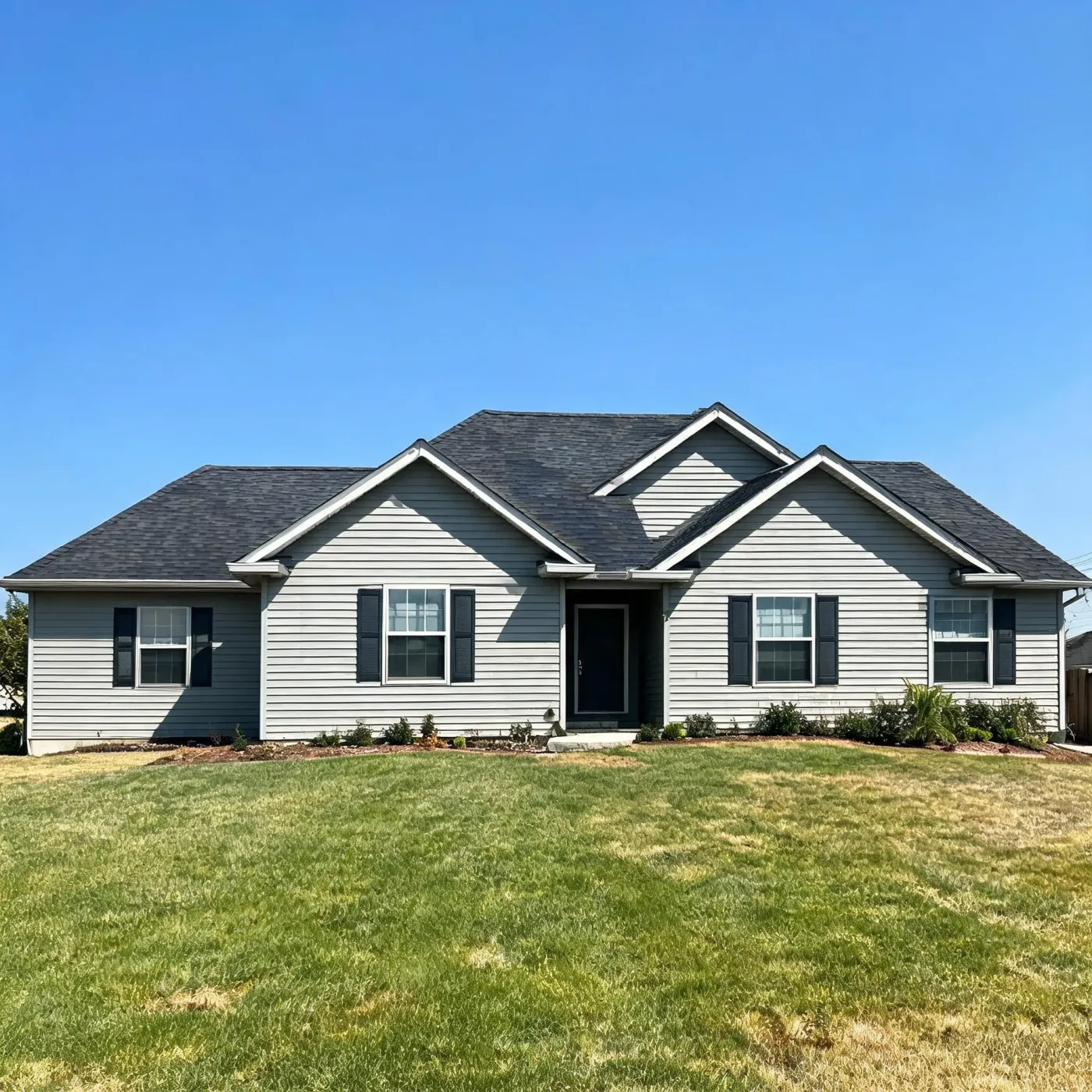
Summers in Utah run dry, and homes here average a 41°F dew point across June, July and August, according to NOAA climate data. That's low. It matters for a mini split because the outdoor unit isn't fighting heavy, moisture-laden air to shed heat, so the coil doesn't ice up or struggle the way it can in a muggy climate. Winter is a different job entirely. The same outdoor unit now has to pull heat out of cold air instead of dumping it, and that's where sizing and cold-climate features decide whether your basement stays warm or the heat strip ends up carrying the load.
NASA POWER T2MDEW county cells weighted by homes
Why does the basement feel colder than the rest of the house
You'll notice it at the thermostat before anywhere else. The mini split head is running, the fan is blowing, and the basement still sits a few degrees under what the rest of the house reads. On the coldest nights the air coming out of the head feels cooler than it did in October, and the unit seems to run longer to hold the same number. Check the outdoor unit too. If ice is building up on the coil and staying there, or the unit seems to cycle off and on more than usual during a cold snap, it's working harder than it should. Left alone through a full Utah winter, a basement that can't keep up puts pipes and anything stored down there at risk once temperatures stay in the teens for days at a time.
A basement with ductwork already there
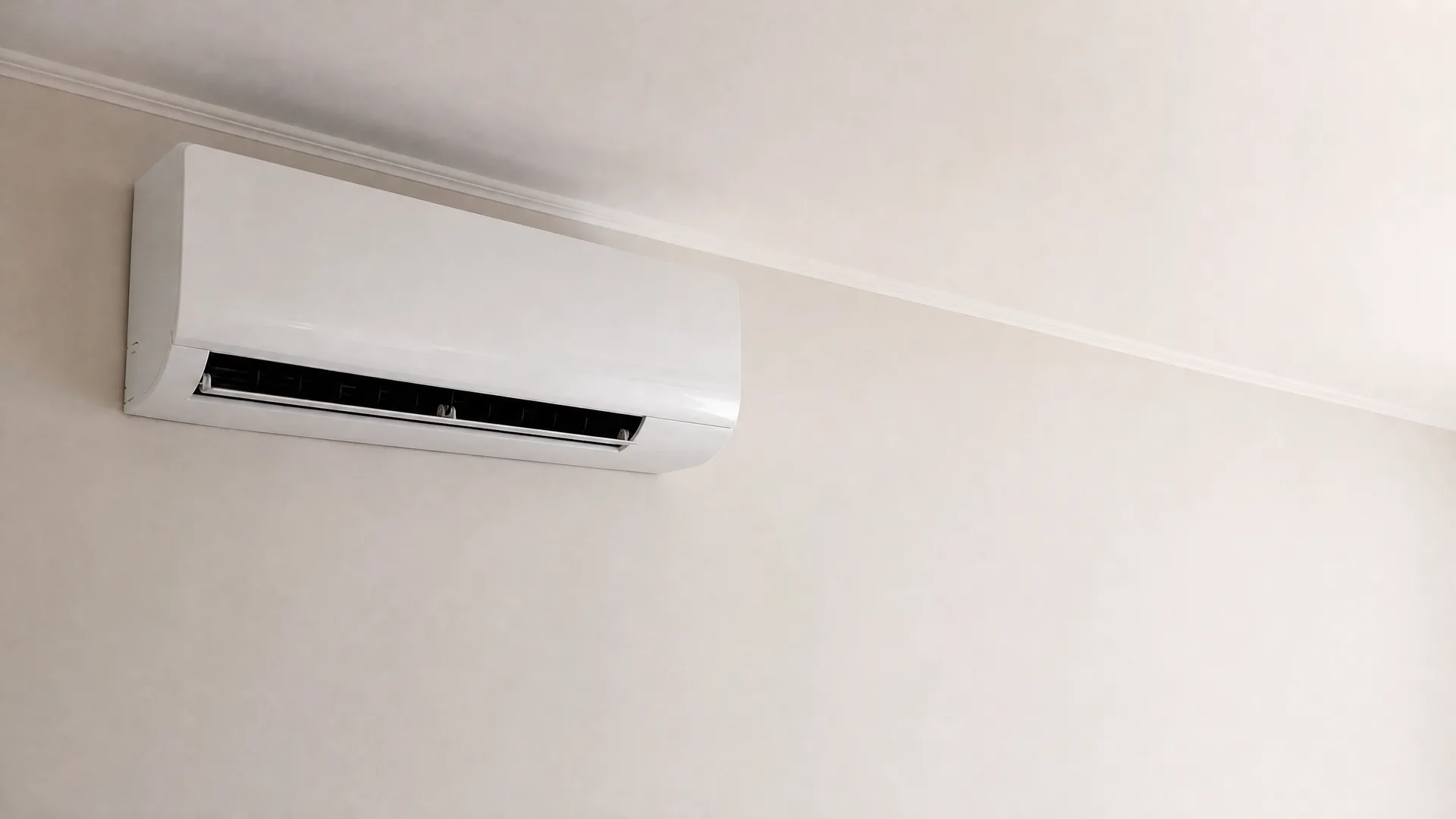
If your basement ties into the same ducts as the furnace upstairs, you already have a second way to heat it. Gas is cheap here, and running the furnace longer on a cold night costs little next to what a mini split install runs. Closing or opening a damper might get you most of the way to a warm basement without adding equipment at all. Worth checking before you commit to a separate system down there.
A basement finished as its own space
If the basement is finished off from the rest of the house, maybe a bedroom or a rented unit, a mini split gives you control the furnace can't. You set that room's temperature on its own, separate from upstairs, and you're not paying to heat a whole house to warm one floor. A cold climate unit, sized and placed right for that room, holds its own through a Utah winter without leaning on the furnace at all.
Power costs 13.02 cents per kilowatt-hour statewide
At 13.02 cents a kilowatt-hour, running a mini split head through a basement all winter costs little next to what the same heat would take from a space heater or baseboard unit. That's part of why a mini split pencils out for a basement here, even with gas heating the rest of the house.
EIA-861 2025 statewide residential average
A basement with its own thermostat zone lets you keep it ten degrees cooler than the main floor overnight, since nobody's down there, and the mini split holds that lower set point without the furnace fighting it through shared ducts.
A basement that stays occupied all evening needs the mini split holding one steady temperature the whole time, and sizing it for comfort at 7pm matters more than sizing it for the lowest outdoor temperature of the year.



So can a mini split heat a Utah basement in winter
Yes, if it's a cold climate model sized for the room and installed with the outdoor unit set up to handle a hard freeze. A basement along the Wasatch Front or up in the higher valleys will test a unit on the coldest nights, and a cold climate system with a real defrost cycle and backup heat strip is built for exactly that. A standard mini split, or one that's undersized for the space, will leave the basement short right when you need it most.
Getting there means someone has to look at your basement specifically: how it's finished, where the ductwork already runs if any does, what the walls and ceiling are doing for insulation, and what size unit actually covers that square footage. That's the part that takes the guesswork out, instead of you calling around to a handful of installers, explaining the basement over and over, and trying to sort through quotes that all size things differently. Send the form once and that search is off your plate. Someone qualified takes it from there.


Mini Split Installation
Done looking for a mini split pro

- Get in touch with a local installer about a new mini split.
- A local installer who puts in mini splits gets your project.

- Send it once and finding someone is no longer on you.
- Send the form and stop researching installers for the new mini split.

- One form replaces the calls you'd make to find a mini split pro.
- Skip the round of in-home estimates for a new mini split.

- One installer gets your project, so there's no bidding war over it.
- Your request stays with one local pro.