Tell us about the job
Takes about a minute. No obligation.
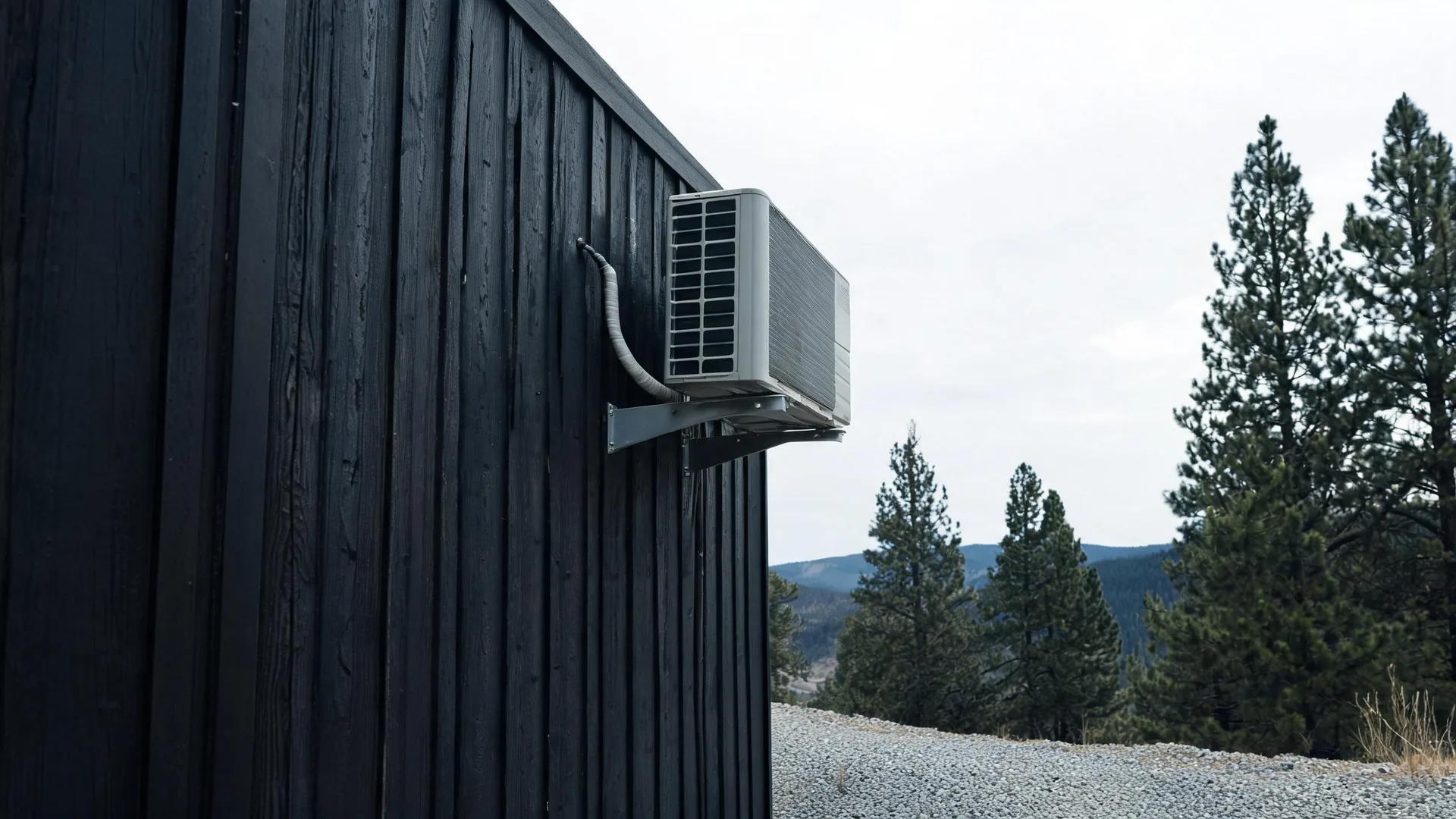
A contractor quoting a mini-split installation here works out the heating load first, and that calculation carries nearly all the weight. Homes in Duchesne County, UT have essentially no cooling season — no month of the year is warm enough to call for it. The compressor on a mini-split earns its hours moving heat into the house on cold mornings, which means the refrigerant circuit, the reversing valve, and the outdoor coil defrost cycle are the components a contractor has to size and position carefully. An undersized unit strains against the coldest days without any cooling runtime to balance the seasonal picture. The installer also has to account for how far outdoor-unit capacity drops as temperatures fall, and whether a backup heat source belongs in the design.
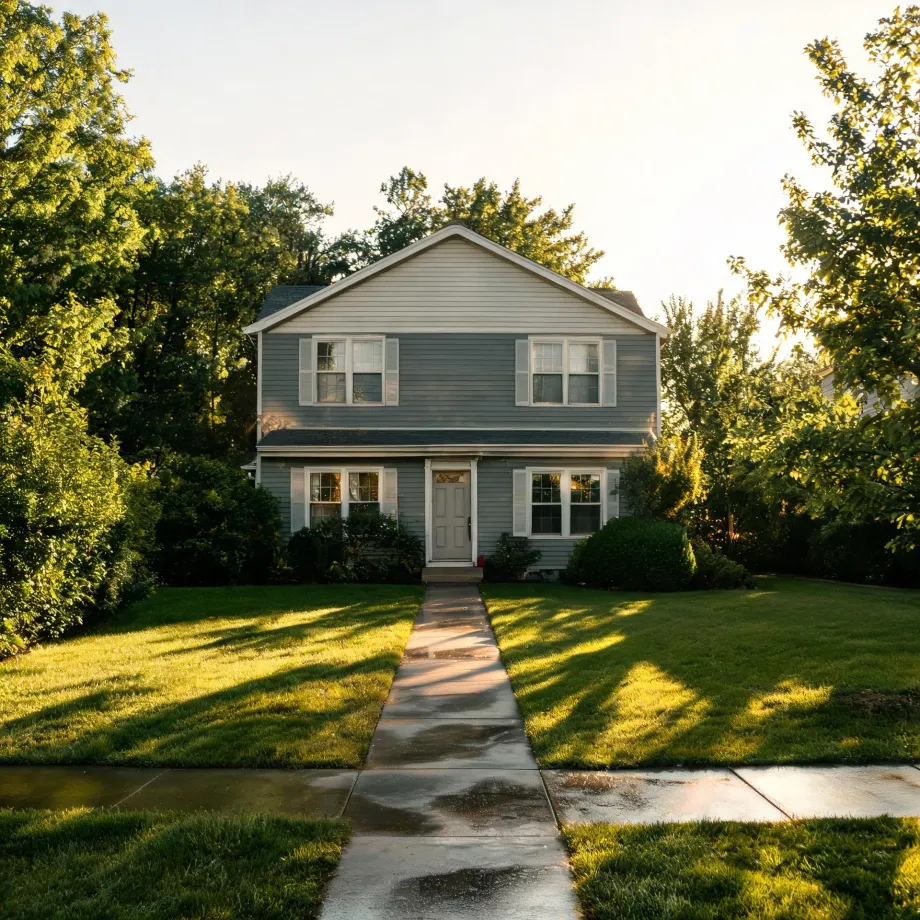
Service panels in this county's housing stock were built for loads that predate modern mini-split equipment, and a panel that falls short forces either a sub-panel addition or a full upgrade before the install can begin. Half the homes in Duchesne County, Utah were built in 1986 or earlier (2020-2024 ACS 5-year). That history lands directly on what a contractor has to price first: the electrical, before the unit is even ordered.
What a Mini-split Installation Puts in Your Home
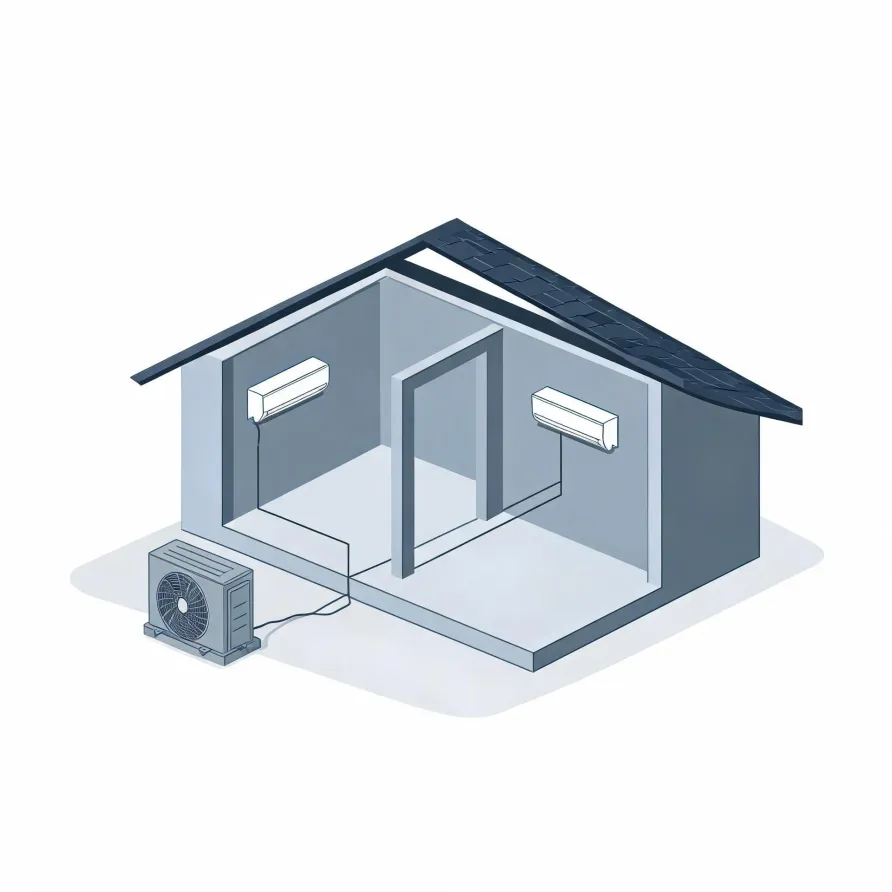
The indoor air handler mounts on an interior wall, high enough to distribute conditioned air across the room. It is the piece a homeowner sees every day. The outdoor unit sits on the ground or a bracket outside the house and holds the compressor and the components that do the heavy mechanical work.
A refrigerant line set runs through a small hole in the wall to connect the two units, carrying the refrigerant between them. A condensate drain line runs from the indoor unit to carry away moisture, and a dedicated power line feeds the outdoor unit from the electrical supply.
The drawing beside this text shows the general layout of these components, and a licensed contractor determines exactly how they are configured for your specific home.
Get matched in Duchesne CountyDuchesne County, by the numbers
88 severe weather events were recorded in Duchesne County, Utah between 2015 and 2024.
NOAA National Centers for Environmental Information, Storm Events Database, bulk CSV export, events 2015-01-01 through 2024-12-31.Half the homes in Duchesne County, Utah were built in 1986 or earlier (2020-2024 ACS 5-year).
U.S. Census Bureau, 2020-2024 American Community Survey 5-Year EstimatesDuchesne County, Utah holds 9,028 housing units (2020-2024 ACS 5-year).
U.S. Census Bureau, 2020-2024 American Community Survey 5-Year EstimatesOwners occupy 78.9% of the occupied homes in Duchesne County, Utah (2020-2024 ACS 5-year).
U.S. Census Bureau, 2020-2024 American Community Survey 5-Year EstimatesCodes & Standards Governing Mini-Split Installation in Duchesne County, Utah2 sourced rules and standards
Licensing Rules for Duchesne County, Utah
Utah’s contractor licence does not reach alteration, repair, remodelling or improvement of a building worth less than $7,000 in labour and materials together, counting every change and addition to the agreed work — though the plumbing and electrical trades are pulled back under licensure even below that figure.
Utah requires a state licence before engaging in a licensed construction trade or contracting activity, and HVAC contractor is one of the licence classifications the state issues.
Severe Weather Events in Duchesne County, Year by Year
Duchesne County's climate puts real demands on heating and cooling equipment, and those demands shape what a well-sized, well-installed mini-split system needs to handle. A contractor sizing equipment for this area works from local conditions, not averages pulled from somewhere else.
88 severe weather events, 2015–2024. Source: NOAA National Centers for Environmental Information, Storm Events Database.