Skip maintenance this year
The unit keeps running, but you're guessing at what the defrost cycle and coil are doing out there. A small issue in November is a cold room in January.
You've got a mini split and you're wondering if it can carry you through a Utah winter, or if you should let your gas furnace do that job instead. Most homes here heat with gas, so it's a fair question whether the mini split is worth running once temperatures drop, or whether it's better suited to the cooling side of things.
A mini split can run all winter and keep a room warm down to well below freezing. The heat pump inside it pulls warmth from outside air and moves it in, and it still does that work even when the air outside feels cold. Where it struggles is on the coldest nights, when outdoor temperatures drop hard and the unit has to work harder to pull the same warmth. Most homes here already have a gas furnace handling the whole house, so the mini split tends to work best heating one room or zone while the furnace covers the rest. Power here is cheap, so running it isn't the concern. Whether it's worth running instead of the furnace comes down to what you're trying to heat and how cold it gets that night.
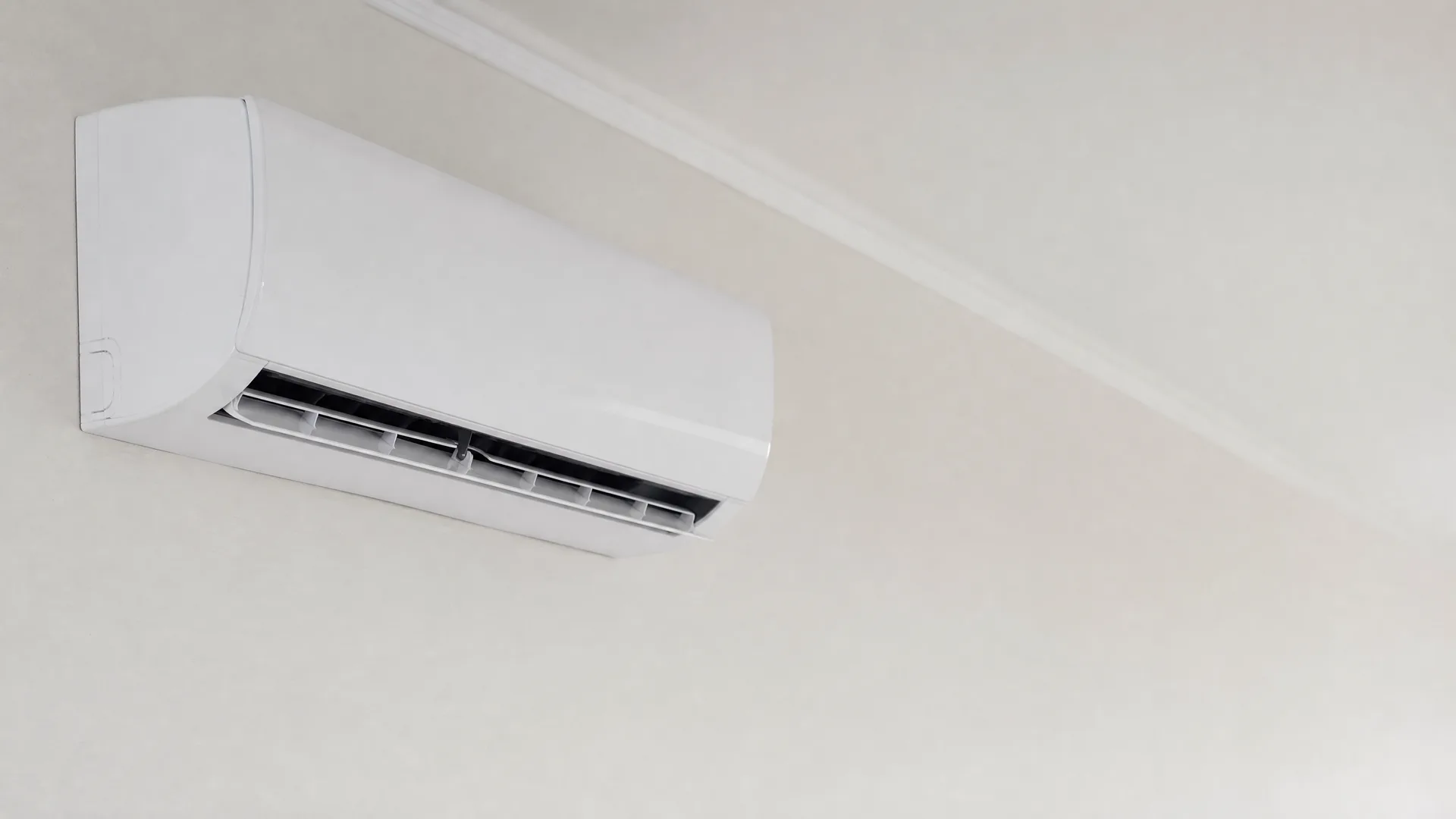
A mini split pulls heat out of the outside air and moves it inside. That works fine down to a point, but as the temperature drops, there's less heat out there to grab. Below freezing, most units have to work harder for the same warmth, and some lose capacity right when you need it most. The outdoor unit may also build up frost and run a defrost cycle, which blows cold air inside for a few minutes while it clears.
Gas burns hot no matter how cold it is outside, so a furnace doesn't lose output on the coldest nights the way a mini split can. That's why most homes in Utah are set up with gas as the main heat source. A mini split can still handle the milder stretches of fall and spring on its own, and pair well with the furnace once temperatures really drop, but it isn't built to replace it.




A mini split that runs all winter is doing more hours of work than one that only carries the shoulder seasons, and the parts that let it make heat in the cold, the outdoor coil, the defrost cycle, the filters, need to be checked before that stretch starts. Skip it and you might not notice right away. You'll notice when a hard freeze hits and the unit can't keep up, or when the furnace ends up carrying the whole house anyway because the mini split fell behind. Finding someone to look at it yourself means calling around Utah for a contractor who works on your brand, explaining the setup more than once, then sorting through quotes that don't say the same thing. Handing that off now means one contractor who works on your system gets in touch, and you're not the one chasing it down before the cold sets in.
Run the mini split through a Utah winter and you'll notice the outdoor unit working in weather it wasn't built to dominate. Frost forms on the coil on cold mornings, and the unit pauses to clear it before it goes back to heating. The room it serves stays warm enough, but check the air coming out of the vents on the coldest days. If it feels cooler than you expect, that's the unit losing ground to the temperature outside, not a sign anything is broken. The filter behind the indoor head does more work too, since the system is running more hours than it would if the furnace carried the house alone.
A mini split that runs all winter without anyone looking at it is the one most likely to surprise you. Ice that doesn't clear fully between defrost cycles builds up on the outdoor coil over weeks. A filter that was fine in October is restricting airflow by February. Neither announces itself until the unit is struggling to keep up on the coldest night of the year, which is the worst time to find out. Instead of searching out a contractor, calling around, and explaining the setup over and over, you can get matched with one who knows mini splits in this climate and let them reach out to you.


The unit keeps running, but you're guessing at what the defrost cycle and coil are doing out there. A small issue in November is a cold room in January.
A contractor looks at the coil, the defrost cycle and the filters before the cold sets in, so you're not finding out something's wrong halfway through a cold stretch.


At 13.02 cents a kilowatt-hour, running your mini split through a cold stretch won't hit your power bill hard. That's cheap enough that the real question is how well the unit is holding up in the cold, not what it's costing you to find out.
EIA-861 2025 statewide residential average
So can a mini split run all winter in Utah? Yes, as long as the coil and defrost cycle are doing their job, and gas is there to take the coldest nights off its hands. That's the whole answer. The equipment can handle the stretch from November through February if someone checked it before the cold set in, and it doesn't have to carry the whole load alone when the furnace is already in the house. What trips people up isn't the unit itself, it's not knowing whether that unit was looked at before winter started, and finding that out on your own takes work. You'd need to find a contractor in your area who actually services mini splits, not just central systems, then get on their schedule, then walk them through what the unit has been doing, the frost, the noise, the way it seems to pause on cold mornings. If the first contractor can't make it work, you're calling a second one and explaining all of it again. Then there's comparing what each one quotes before anyone has even looked at the coil in person. None of that is the hard part of owning a mini split. It's just the part that eats an afternoon or a week before the actual work starts. Getting matched with someone who already knows this equipment skips that whole search. You're not sorting through who covers ductless systems or repeating the same description of what the unit's doing. Someone who knows the equipment gets pointed at your unit directly, and you find out where it actually stands before the cold really sets in.
One form instead of hunting for a pro who does mini split tune-ups.