
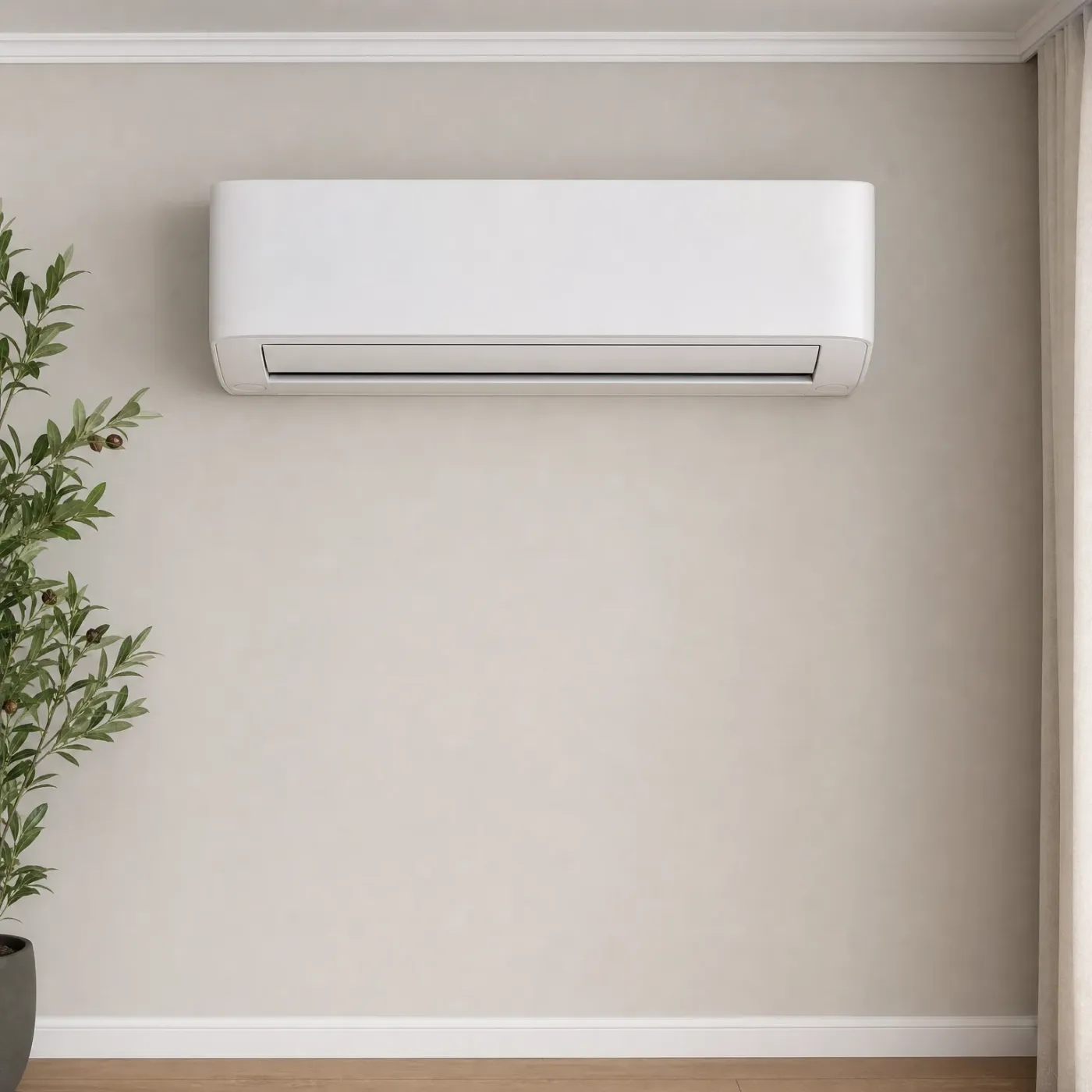
Running clean
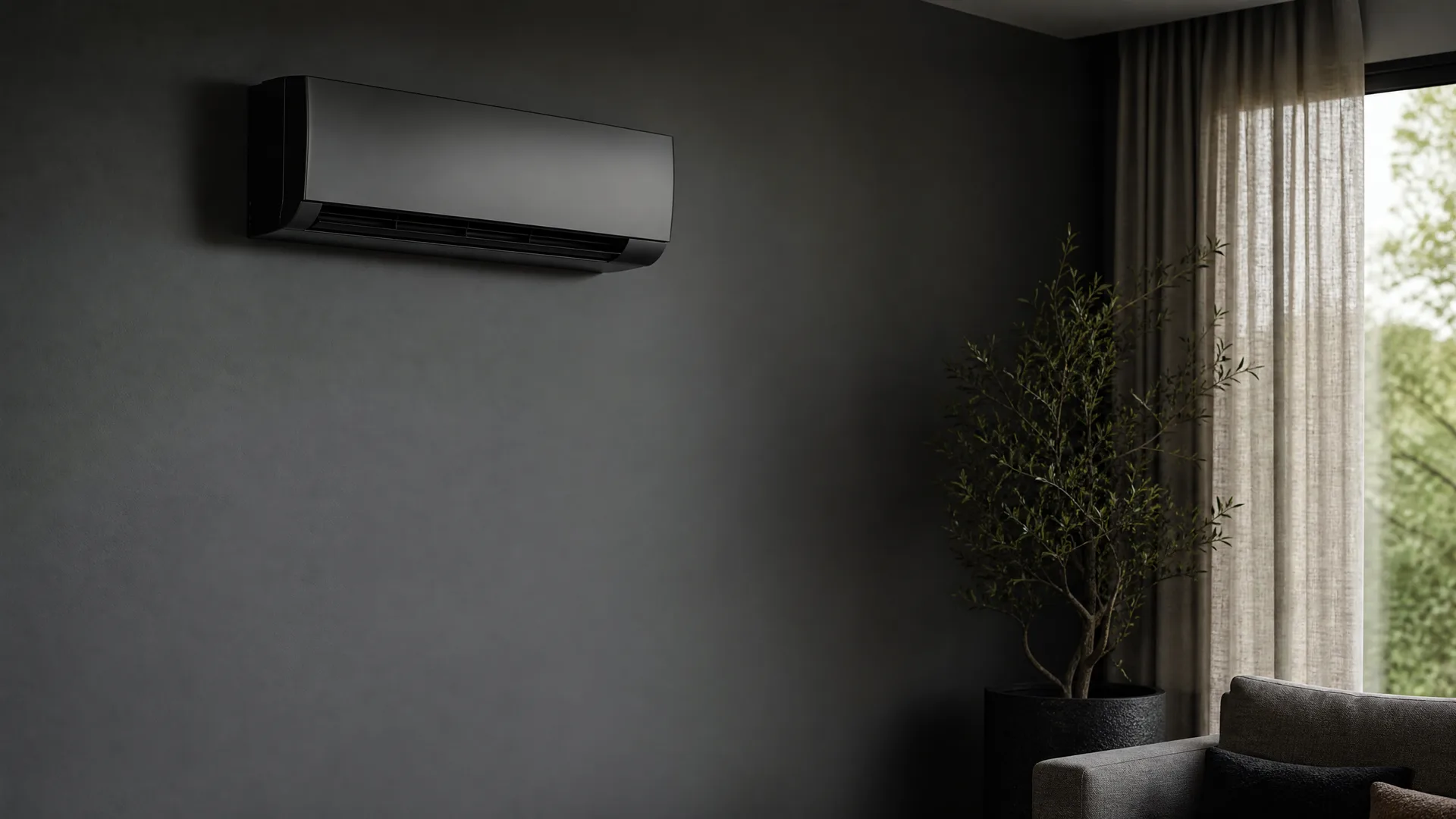
This is a mini split doing normal defrost clicks on a cold night, nothing more. The casing is clear, the vents are open, and air moves through it the way it should. A unit that looks like this is usually the one you can leave alone.
Stop chasing a mini split pro
Cold snaps make a mini split click, buzz, or whistle more than it did in October, and you want to know if that's normal or if something's wrong. It usually comes down to the defrost cycle, the reversing valve, or ice on the outdoor unit working harder in the cold. This page walks through what's behind each sound, and when it's time to stop searching and let a contractor who already knows the fix take it from here.
Hand it offThat clicking or buzzing is usually the reversing valve switching the system into defrost mode. Your outdoor unit pulls heat from the air even when it's cold outside, and in a Utah winter, frost builds up fast on the outdoor coil. The system has to stop every so often, reverse itself, and run hot for a few minutes to melt that frost off. That switch is what you're hearing click. The whistling or hissing that comes with it is refrigerant moving through the valve as it changes direction. A louder whir during a cold snap is just the outdoor fan or compressor working harder to pull heat out of colder air. None of this means the unit is failing. It means it's doing what a mini split does every winter night here. What matters is whether the noise stops once the defrost cycle ends, usually within ten minutes, or whether it keeps going, gets louder over time, or shows up alongside weak heat. That's the difference between normal operation and a part wearing out.




During defrost, the reversing valve switches the refrigerant flow so the outdoor coil gets hot for a few minutes instead of cold. That's the clunk or click you hear when it kicks in, and another one when it switches back to heating. The outdoor fan often slows down or stops during this part, which changes the sound of the unit from the steady hum you're used to. None of that is the compressor straining. It's the valve and the fan doing exactly what they're built to do when frost collects on the coil in cold, damp air. A unit that never did this in October and does it several times a night in January is just responding to the air temperature, not wearing out.
A single click or whistle during a defrost cycle is the system working. A grinding noise, a rattle that doesn't stop when defrost ends, or ice that builds up on the outdoor unit and doesn't melt off within a few minutes are different things. So is a hissing sound, which can point to a refrigerant leak rather than normal valve operation. If the outdoor coil stays coated in ice between cycles instead of clearing, the defrost cycle isn't keeping up, and the system will lose heating capacity even if it keeps running. Those are the signs worth having a contractor look at, rather than something to wait out.


Defrost clicking a few times an hour on a cold night is the system doing its job, melting ice off the outdoor coil so it can keep pulling heat from the air.
A grinding, rattling, or buzzing that wasn't there before defrost season is different. That's a fan blade, a loose panel, or a failing motor, and it won't fix itself when the temperature climbs.


A mini split that clicks a few times an hour on a cold night is working the way it should. But once a sound shows up that wasn't there in October, that doesn't sort itself out by spring. A grinding or buzzing bearing gets worse, not better, and running a unit through a Utah winter with ice building wrong on the outdoor coil can mean it's not putting out the heat your house needs on the coldest nights. You don't have to spend an evening on this, calling shops to find one that works on mini splits, explaining the noise over and over, then sitting with quotes trying to guess who's right. Send the request once and that search is off your plate. Someone who knows these systems looks at what you're hearing and tells you straight whether it's the defrost cycle doing its job or a part that's failing. Either way, you'll know, instead of listening for it every cold night wondering.
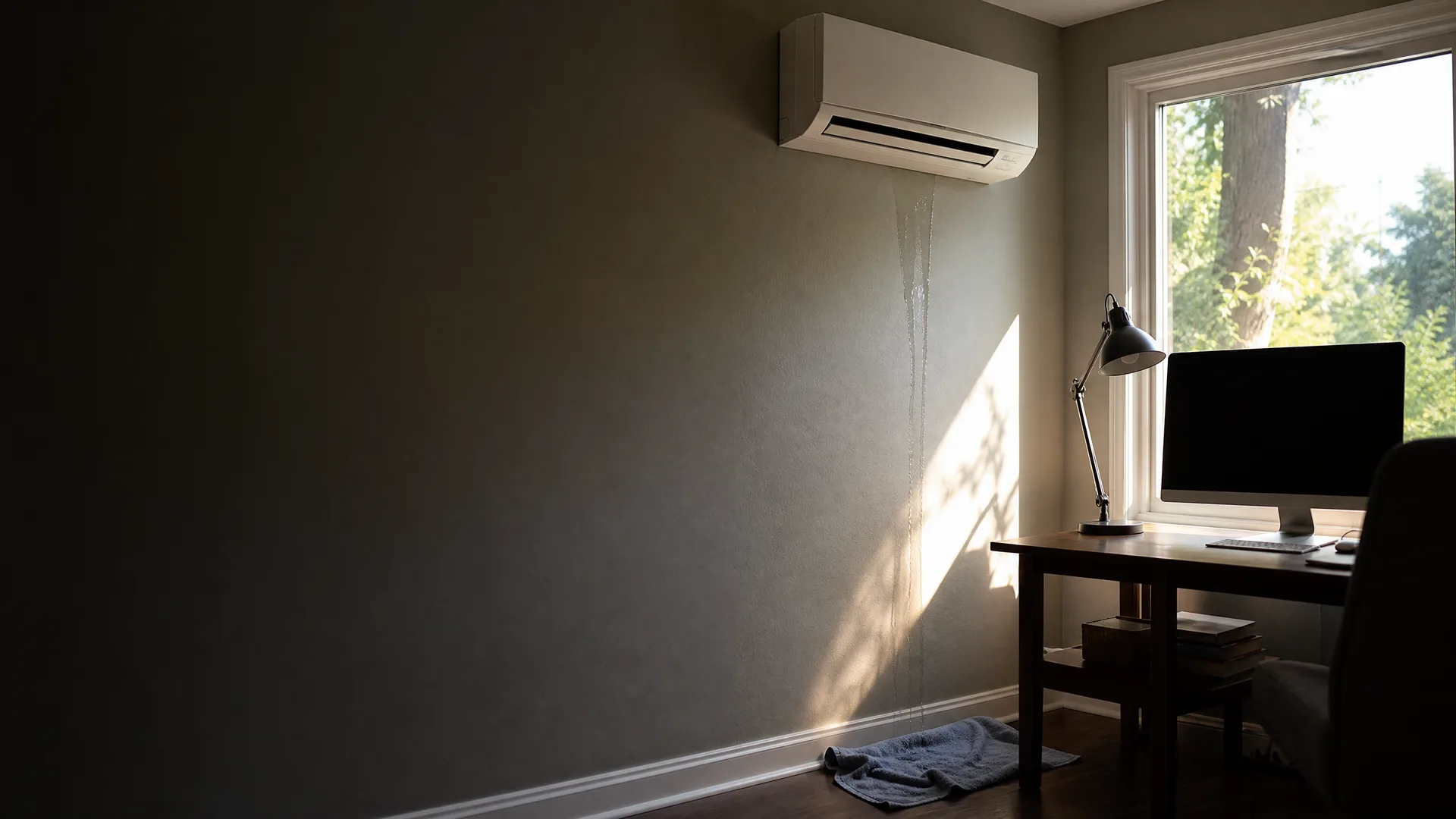
It's a January evening and you're in the kitchen when you hear it, a grinding sound from the mini split in the living room that wasn't there last week. You go check. The indoor unit is rattling on the wall, louder than the clicks you'd gotten used to during defrost. You stand there and listen to it cycle through again, same grinding sound, and you think about how cold it's supposed to get tonight. You turn the thermostat down a degree, like that'll help, then go back to the kitchen. The sound carries down the hall the rest of the night.
You've probably got the mini split in the living room or wherever it heats, and you're home enough in the evenings to notice when it sounds different than it did two weeks ago. Maybe it's a click that's turned into a grind, or a hum from the outdoor unit that's gotten louder. Maybe there's a new rattle when the fan kicks on. You're not imagining it. A sound that's new, not just frequent, usually means a part is wearing out rather than the system doing its normal defrost work. Left alone through the rest of the winter, a failing bearing or motor can take the whole unit down on the night you need heat most, and in Utah that's a cold night to be without it.
The thermostat calls for heat and the compressor starts pulling refrigerant through the system.
The outdoor coil runs cold and pulls heat from the outside air.
Frost builds up on the outdoor coil as it keeps pulling heat.
A sensor reads the frost and tells the system to start defrost.
At 13.02 cents a kilowatt-hour, running a mini split that's working harder than it should on a cold night adds up fast on the bill. A bad run capacitor or a failing fan motor makes the compressor pull more power to do the same job, and you pay for it every month until it's fixed.
EIA-861 2025 statewide residential average
This is a mini split doing normal defrost clicks on a cold night, nothing more. The casing is clear, the vents are open, and air moves through it the way it should. A unit that looks like this is usually the one you can leave alone.
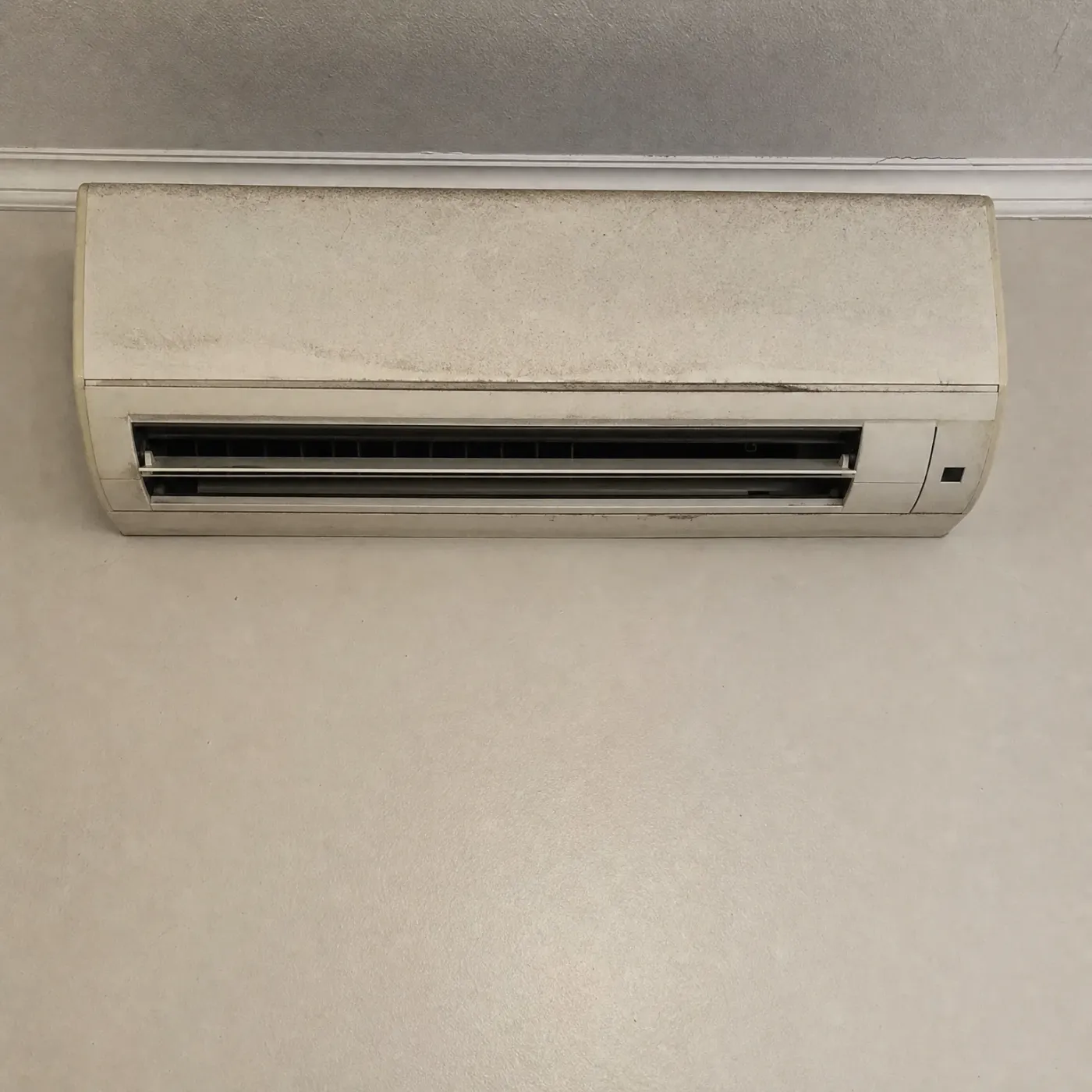
Dust and grime built up like this across the casing and vents block airflow over the coil. A unit working that hard to move air through a dirty coil is more likely to buzz or strain, and the grinding you're hearing could be tied to what you're seeing.

Defrost noise on a cold Utah night is your mini split doing what it's built to do. A grinding, rattling, or buzzing that showed up this winter and wasn't there in October is a part wearing out, and it won't fix itself before spring. That's the whole answer. What you do with it is the only thing left to decide.
If you'd rather not spend an evening searching contractor listings, calling a few, explaining the same clicking sound three different times, and then sitting with quotes trying to guess who's worth the call, you don't have to. Send the form and that part of it is off your plate. Someone licensed to work on it takes it from there.

One form replaces the calls you'd make to find a mini split pro.