Running clean
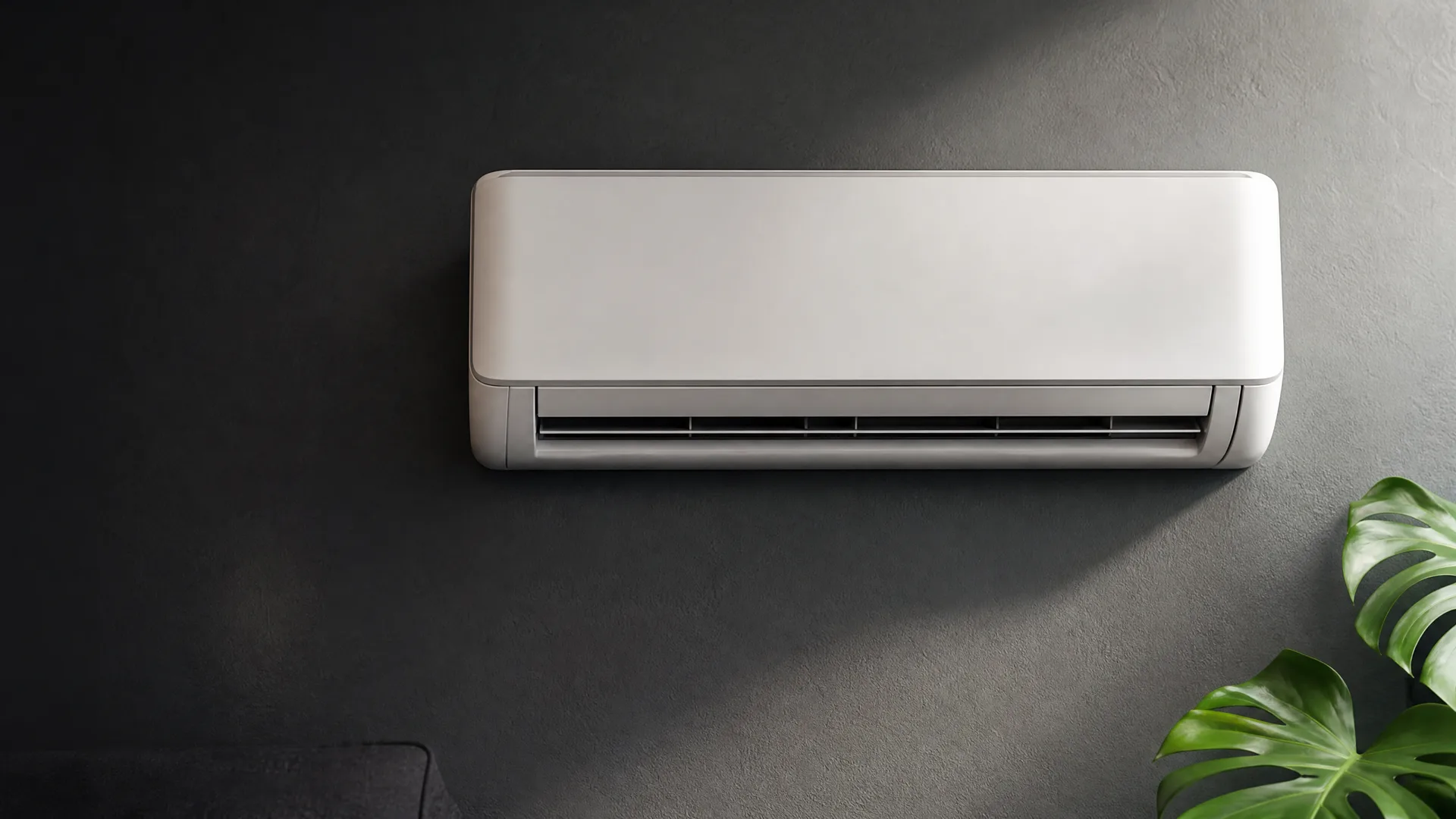
This is what a mini split should look like after years of use. The vents stay clear, the casing stays white, and no smell greets you when the heat kicks on. Air moves through without picking up anything on the way.
 Find my pro
Tell a local repair pro what your mini split is doing.
A smell coming off your mini split when it's heating is your first clue something inside the unit needs a look, not something to cover up by running the fan on a different setting.
Most homes in Utah heat with gas, so a mini split handling the heating load is often doing less common work than the AC side does every summer. That can mean dust sitting on a coil that doesn't get exercised as often, or a drain pan that's been dry and collecting more than it should.
Whatever is causing the smell, it's specific to your unit, where it's installed, and how it's been used. A contractor who services mini splits in Utah through both the dry summers and the heating months knows what tends to show up in these systems locally, and can tell you faster than guessing from a search result what's actually going on in yours.
That's the next step here. Not a repair quote sight unseen, but getting matched with a licensed contractor near you who works on this equipment and can take a direct look at your situation. One contractor, not a handful calling you back at once.
Tell us a bit about your mini split and what you're noticing, and a local contractor will reach out to follow up.
If your mini split runs and you catch a smell every time it switches into heat mode, it usually means something inside the indoor unit, not your ductwork, since mini splits don't use any. Utah homes mostly rely on gas furnaces for heat, so a mini split doing this job is often working off a different schedule than a furnace would, sitting unused for stretches between cold mornings and warmer afternoons. That pattern plays into why the smell shows up.
A burning dust smell when the heat first kicks on usually means dust sitting on the heating element or coil is burning off as it warms up, and it should fade after a few minutes. If it doesn't fade, or if the smell is musty instead, moisture has likely collected inside the unit and mold or mildew is growing on the coil or in the drain pan. With dry summers here, condensation issues are less common in the AC months, but once the unit switches to heating, any mold that took hold during those humid stretches makes itself known. Either way, it points to something inside the unit that needs a technician to clean or repair, not a setting you can change from the thermostat.

This is what a mini split should look like after years of use. The vents stay clear, the casing stays white, and no smell greets you when the heat kicks on. Air moves through without picking up anything on the way.

Dirt and mold along the vents and lower casing mean the smell has a source. That buildup sits right where the air passes before it reaches the room, and it only gets worse if nobody opens the unit up.




The indoor unit is a small, enclosed space, and whatever builds up inside it has nowhere to go but through the vent and into the room. The coil sits close behind the blower wheel, so if anything has started growing on it, the fan pushes that smell out with the warm air. The filter stops dust, but it was never meant to catch odor, so checking it and finding it clean tells you nothing about what's on the coil itself. Heat mode changes things too. Warming the coil instead of cooling it can bring out a smell that never showed up when the unit was running air conditioning all summer. If the condensate line didn't drain all the way down before the weather turned, there can be water sitting in the pan, and that starts to smell once the heat kicks on. The blower wheel itself has fins that collect grime over seasons of use, and once that happens, every room the unit serves gets a share of the smell. In a lot of Utah homes, the mini split sits idle for stretches while the furnace carries the heat, and that downtime gives mold more time to take hold before the unit runs again.


A mini split's blower runs direct drive. If a smell comes and goes with the heat cycle, it's the coil or the pan, not a worn belt.
Power costs little in Utah, so running the fan alone to chase a smell away doesn't save you anything. A look at the indoor unit does.
You probably catch it a few seconds after the heat kicks on, not while it's running steady. Some describe it as musty, like a damp towel left too long. Others get something sharper, closer to burning dust, especially if the unit has sat unused since last spring. You might notice it fades after a few minutes, which is why it's easy to brush off. Check the wall or ceiling near the indoor unit for a faint dark line or staining. That's condensation finding a path it shouldn't, and it means moisture has been sitting somewhere inside long enough to leave a mark. Left alone, a damp coil or clogged drain pan keeps growing whatever's causing the smell, and it can spread past the unit into the room around it.



Your request goes to one pro, not a list of companies.
A local pro who knows mini splits gets your details and gets in touch.
You're not committing to anything by asking.


At that rate, running the indoor blower on its own to air out a smell costs you almost nothing. It's a cheap way to mask the problem for a night, not a reason to put off having someone check the coil.
EIA-861 2025 statewide residential average

You're at your desk in the home office, working through the afternoon while the mini split cycles into heat behind you. It's hot and dry outside, the kind of Utah summer sun that makes the air conditioning handle the rest of the house, but this room runs on the mini split alone. You catch the smell first, that same damp pull in the air a few seconds into the cycle. Then you see it: a wet streak down the wall under the indoor unit, darkening the paint as it goes. You grab a towel off the hallway shelf and lay it on the floor under the drip before it reaches the carpet. You stand there a second, listening to the unit hum, wondering how long the wall's been catching it before you noticed.

You notice it in the room with the mini split, not the rest of the house. Gas heat covers the other rooms, so this is the one spot where a dirty coil makes itself known every time the unit switches on. Close the door and it's worse, because the smell has nowhere to go.
Left alone, that smell doesn't get better on its own. The coil stays wet with whatever's growing on it, and every heat cycle pushes more of it into the air you're sitting in. A local contractor who works on mini splits all year has seen what that coil usually looks like by the time someone calls, and getting matched with one means someone who already knows where to look shows up, not a stranger guessing room by room.


Summer air here holds a dew point of 41°F, averaged across June, July and August for homes in Utah, according to NOAA climate data. That's dry air, which is part of why a mini split here doesn't fight much moisture in summer. Come winter, when the unit switches to heating, any film sitting on the indoor coil has had a dry season to bake on rather than wash off. There's no condensation running through to rinse it clean. So the smell you catch when the heat kicks on isn't new. It's been building on that coil since summer, waiting for the unit to warm up and release it into the room.
NASA POWER T2MDEW county cells weighted by homes
A smell when your mini split switches into heat means something is sitting on that indoor coil, and it stays there until someone opens the unit and cleans it off. That part doesn't fix itself with a fan setting or an open window. Someone local who services mini splits all year, through the dry summers and into the months when yours is doing the heating your gas furnace isn't, has seen this exact coil and pan problem plenty of times and knows what to check first. You'll get matched with one contractor, licensed to work in Utah, not a handful of companies competing for your callback. That means one visit, one person who looks at your unit and tells you what's actually growing in there, instead of sorting through several strangers all guessing at the same problem. The smell is your mini split telling you the coil needs attention. Getting it looked at is how you find out what it needs and get the room back to normal.
A pro who works on mini splits